
Senior living options prioritize affordability while offering varied arrangements suitable for different needs. From Medicaid coverage and HUD subsidies to considerations between renting and buying, understanding key elements can ease the cost burden. Understanding financial assistance programs tailored for seniors ensures comfortable living, catering to both economic and personal preferences.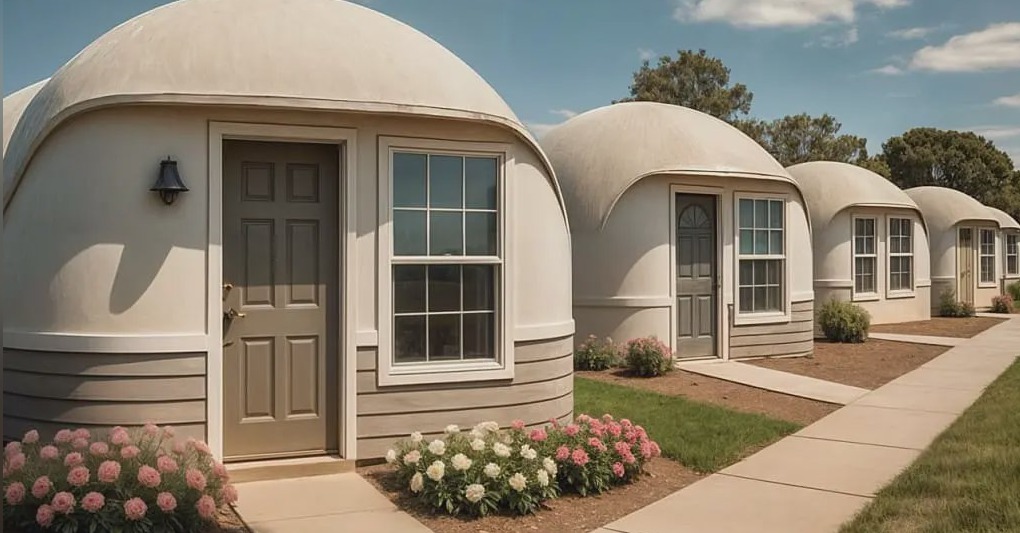
Affordable Two-Bedroom Senior Living Options
When exploring senior living, affordability is a key concern for many. The costs of senior living can vary widely depending on factors such as location, type of living arrangement, and amenities offered. For those seeking affordable two-bedroom options, there are numerous strategies and resources available to help manage expenses.
[readalso]
Medicaid, for instance, offers health coverage for low-income seniors and can assist with certain long-term care expenses, although it’s important to note that Medicaid does not typically cover room and board expenses. Meanwhile, other government programs, including HUD’s Section 202, provide subsidies to assist seniors in affording housing and make living more affordable.
Available Financial Assistance Programs
Several financial assistance programs can help seniors manage the costs associated with senior living. The Section 202 Supportive Housing for the Elderly program, for example, assists low-income seniors by offering housing subsidies.
Similarly, programs aimed at veterans, such as the Aid and Attendance benefit, provide financial support specifically designed to offset long-term care costs for eligible veterans. Social Security benefits, including Supplemental Security Income (SSI), further support seniors by supplementing their income, allowing them to combine these funds with state supplements and nonprofits to defray living costs to further offset costs.
[readalso]
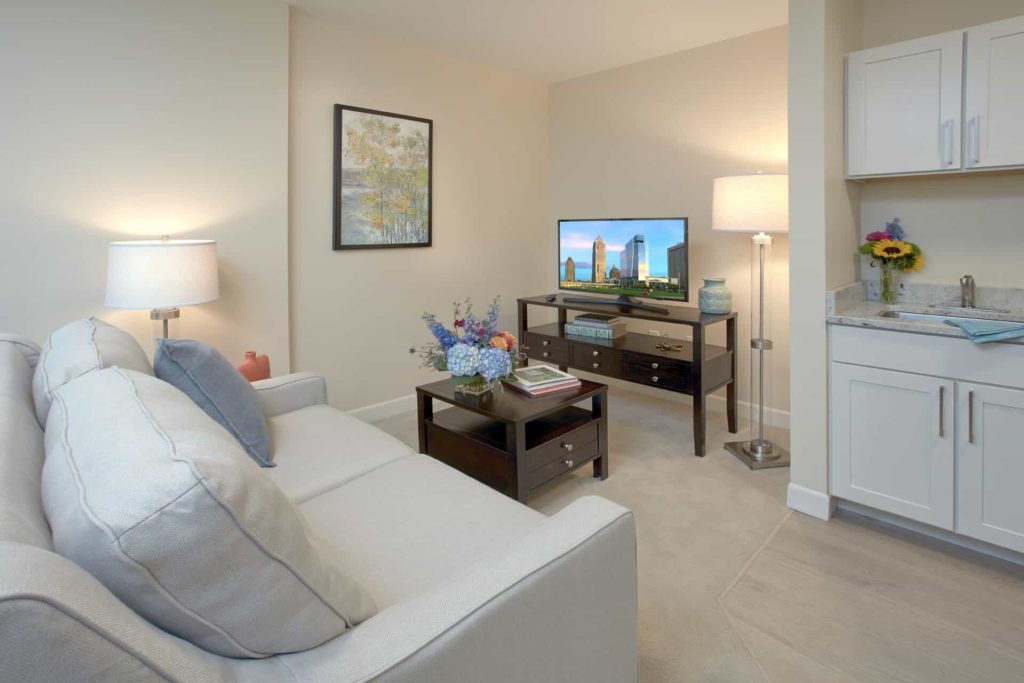
Comparing Rental vs. Buying for Senior Living
When considering senior living options, it’s important to weigh the differences between renting and buying. Rental communities often present the lowest initial cost because they typically only require a lease and monthly rent, making them an appealing choice for short-term affordability. However, such arrangements may not include the expenses related to long-term care services residents might need.
On the other hand, continuing care retirement communities (CCRCs) typically involve a higher upfront cost but provide an all-inclusive approach. This can include facilities for independent living as well as assisted care options like nursing or memory care, making them a potentially more stable option for those who may need increased care over time.
Location and Cost Considerations
The cost of senior living varies significantly by location, not just across states but also at the community level within those states. In metropolitan areas, the cost for independent living can be anywhere from $1,500 to $4,000 per month, while assisted living averages between $3,500 and $10,500 monthly. States like Florida and Arizona are considered more affordable options, offering lower average costs for both independent and assisted living by creating elder-friendly infrastructures.
[readalso]
Exploring Different Living Arrangements
A variety of living arrangements can offer both affordability and community support. Non-profit and community-based housing models focus on providing stable, mission-driven environments. These can foster close-knit communities and offer amenities designed to enrich seniors’ lives through social programs.
Co-living and cooperative housing models further enhance affordability by allowing shared amenities and reducing maintenance responsibilities to empower seniors. Additionally, residential care homes offer less costly alternatives, supported by programs like PACE, which help seniors maintain their independence at home.
Learn More About Affordable Senior Living Options
As the demand for senior living continues to grow, understanding the full range of options and financial assistance programs available becomes increasingly vital. Whether considering rental communities, government-subsidized housing, or cooperative living arrangements, seniors can find affordable and supportive living environments tailored to their needs.
Delving into the resources provided by governmental programs like Medicaid, the HUD Section 202, and veterans’ benefits can significantly ease the financial burden, making it more manageable to choose suitable two-bedroom accommodations. These decisions not only improve quality of life but also provide peace of mind, knowing that the chosen living arrangement is both cost-effective and aligned with individual circumstances.
Living Option Average Monthly Cost Typical Range Independent Living $2,500 $1,500 – $4,000 Assisted Living $4,300 $2,500 – $6,500 Memory Care $5,400 $3,000 – $7,000 Nursing Home Care $7,500 (semi-private) $5,000 – $10,000
| Living Option | Average Monthly Cost | Typical Range |
| Independent Living | $2,500 | $1,500 – $4,000 |
| Assisted Living | $4,300 | $2,500 – $6,500 |
| Memory Care | $5,400 | $3,000 – $7,000 |
| Nursing Home Care | $7,500 (semi-private) | $5,000 – $10,000 |
[readalso]